Beyond a Patch: Why Sidewall Damage is Never Repairable
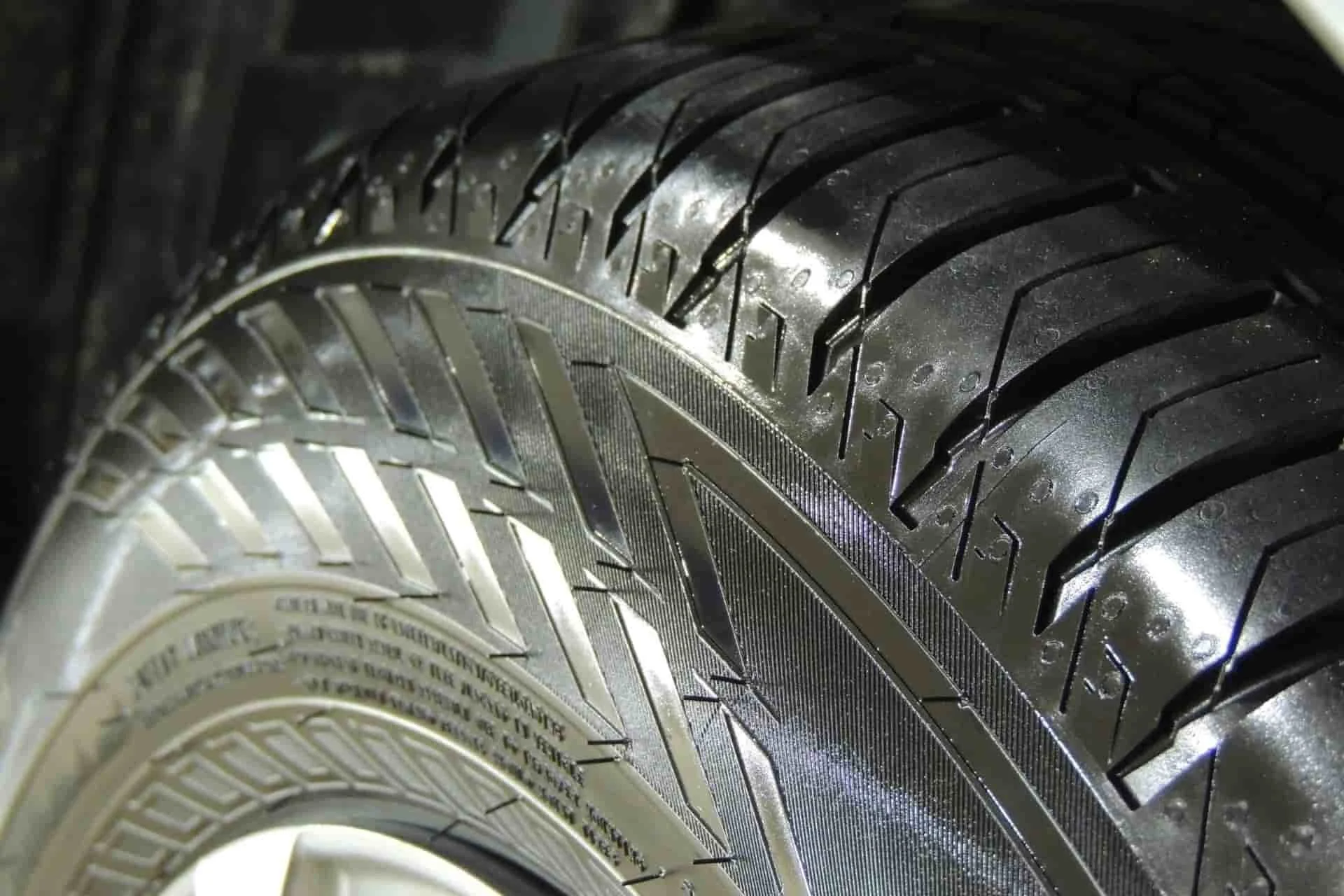
You're cruising around Hampstead when you hear that dreaded sound—a sharp pop followed by the unmistakable wobble of a damaged tire. You pull over, inspect the damage, and there it is: a nasty gash right on the sidewall. Your first thought? "Can this be repaired?" Unfortunately, when it comes to sidewall damage, the answer is usually no, and here's why that's actually good news for your safety.
What Tire Sidewall Damage Really Means
Let's talk about what makes your tire's sidewall so different from its tread. While the tread is thick, reinforced with steel belts, and built to handle constant road contact, the sidewall is comparatively thin and flexible. It's designed to absorb impacts and allow your tire to flex as you drive, but it doesn't have the structural reinforcement that the tread area has. Think of it like the difference between the sole of a hiking boot and its leather upper—both are important, but they serve very different purposes.
When damage occurs to a tire's sidewall, whether it's a bulge, cut, puncture, or crack, it compromises the tire's entire structural integrity. We're not talking about a simple fix here in Wilmington or anywhere else. The sidewall bears the weight of your entire vehicle and withstands enormous pressure from the air inside the tire. Any weakness in this area can lead to catastrophic failure, especially at highway speeds. That's why tire replacement professionals in Wilmington and beyond follow strict safety guidelines that almost never allow sidewall repairs, regardless of how small the damage might appear.
The reality is that sidewall damage isn't like a nail in your tread that can be patched up and forgotten. Even if the cut or puncture looks minor from the outside, you can't see what's happening to the internal structure of the tire. The flexible cords and rubber compounds that give the sidewall its strength may be compromised in ways that aren't visible to the naked eye. This is where professional assessment becomes absolutely crucial for your safety and the safety of everyone else on the road.
Sidewall Damage Usually Means Tire Replacement
Here's something that might surprise you: the tire industry has established safety standards that prohibit sidewall repairs for very good reasons. Organizations like the U.S. Tire Manufacturers Association have determined that sidewall repairs simply cannot be made safely or reliably with current technology. It's not that mechanics are trying to upsell you on tire replacement—it's that they're following safety protocols designed to keep you and your family safe.
When you bring a tire with sidewall damage to a professional, they're going to look at several factors. First, they'll examine the location and extent of the damage. Even a small puncture on the sidewall creates a weak point that can't be properly reinforced. Unlike tread repairs, where a patch can be applied from the inside and a plug inserted from the outside, creating a strong seal, sidewall repairs would leave the tire vulnerable to blowouts. The flexing motion of the sidewall during normal driving would constantly stress any repair, making failure inevitable rather than just possible.
Additionally, sidewall damage often indicates other hidden problems. That bulge you see? It's usually caused by internal damage to the tire's structure, meaning the cords inside have broken. A puncture might have torn through multiple layers of the tire's construction. Cracks in the sidewall can indicate age-related deterioration that affects the entire tire, not just one spot. When a tire professional in the Wilmington area tells you that you need tire replacement rather than repair, they're making that recommendation based on what they can see and what they know about how tires are constructed.
When Tire Replacement Is Non-Negotiable for Your Safety
So, when exactly does sidewall damage cross the line from concerning to definitely dangerous? Any puncture, cut, or slice in the sidewall—no matter how small—requires replacement. If you notice a bulge or bubble protruding from the sidewall, that's internal structural failure and means immediate tire replacement is necessary. Deep cracks or weather checking in the sidewall, especially if they extend into the tire's structure, also mean it's time for new rubber. And if you've hit a curb hard enough to scrape or gouge the sidewall, even if there's no visible puncture, you should have it professionally assessed because internal damage may have occurred.
The good news is that modern Wilmington tire services make tire replacement convenient and straightforward. You don't need to risk driving on a damaged tire to get to a shop, and you certainly don't need to attempt changing the tire yourself on the side of the road. Professional mobile tire repair services bring the solution directly to you, whether you're at home, at work, or stranded somewhere in between.
Tire Replacement Made Easy at Your Location
This is where Coastal Mobile Tire Service changes the game for Wilmington drivers. As a family-owned and operated business with over 27 years of experience in the industry, we understand that tire emergencies don't happen on your schedule—and they don't always happen near a tire shop. That's why they bring professional tire replacement directly to your location.
When you discover sidewall damage, the last thing you want to do is drive on that compromised tire. With Coastal Mobile Tire Service, you don't have to. Our fully self-sustained mobile operation means we arrive with everything needed to install new tires right where you are. Whether you're at home in Hampstead, at your office in Leland, or anywhere else in our service area, we provide complete tire replacement and repair services without you ever leaving your location.
Don't gamble with sidewall damage. Contact Coastal Mobile Tire Service today to schedule your tire assessment and replacement. Your safety is too important to risk on damaged tires—let the mobile tire experts handle it!