Golf Cart Tire Replacement: Signs Your Cart Needs New Rubber
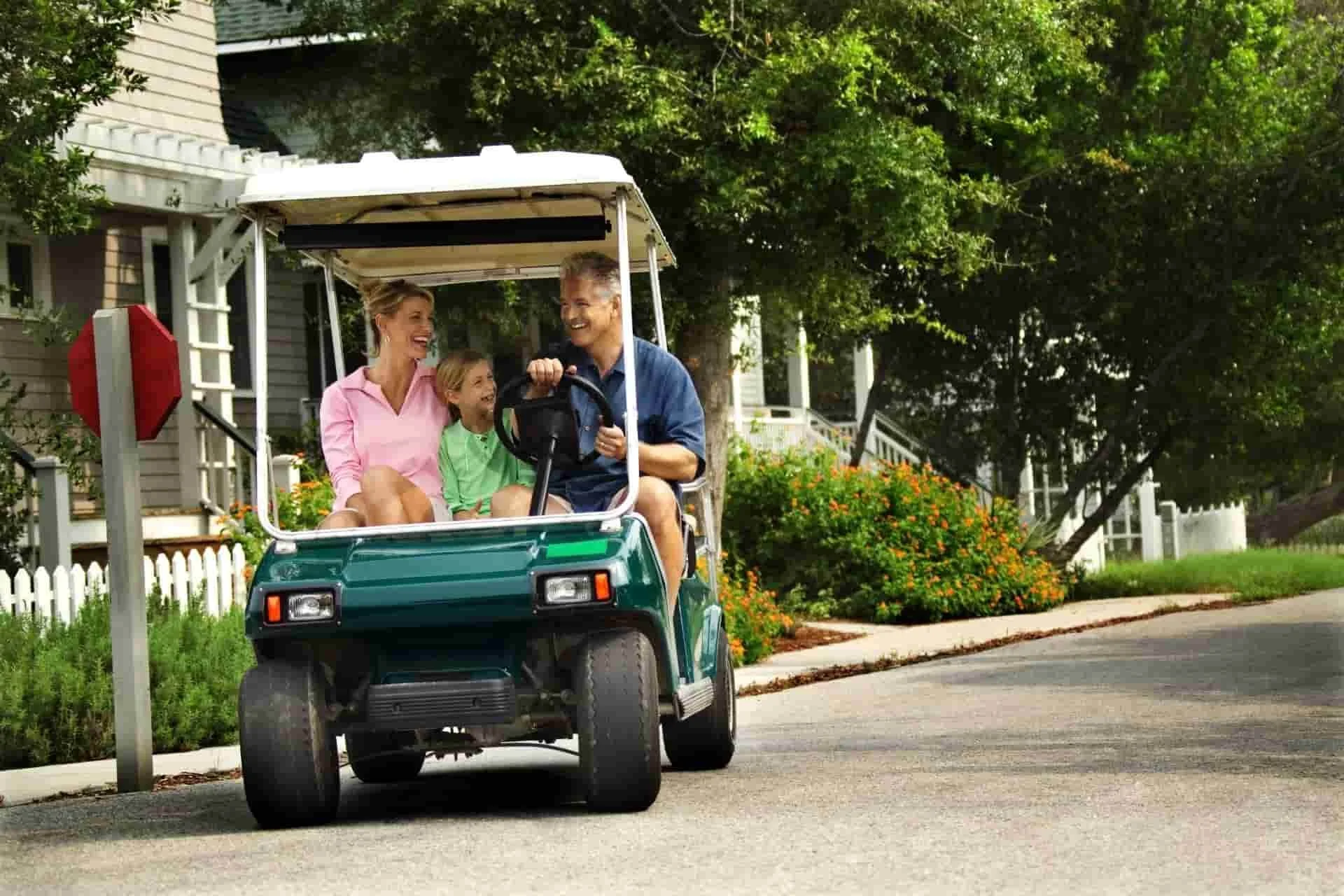
If you're in your trusty golf cart driving around your Wilmington neighborhood, you know that smooth rides don't just happen by magic. Your cart's tires are working hard beneath you, carrying you from the golf course to the beach, from your driveway to your neighbor's cookout, and everywhere in between. But here's the thing: those tires won't last forever, and knowing when you need to consider golf cart tire replacement can make all the difference between a safe, smooth ride and an unexpected breakdown on a sunny Carolina afternoon.
Whether you use your golf cart for weekend enjoyment or as your primary mode of neighborhood transportation, understanding the signs of tire wear is crucial. Let's dive into what every golf cart owner in the Wilmington area should know about keeping their rubber road-ready.
Why Golf Cart Tire Replacement Matters
You might be wondering why golf cart tire replacement deserves special attention. After all, golf carts don't exactly hit highway speeds, right? Well, that's true, but golf cart tires face their own unique challenges that make regular inspections essential. Unlike car tires that are designed for high-speed performance and long highway stretches, golf cart tires are built for entirely different conditions.
Think about where your cart goes on a typical day. You're navigating sandy paths near the coast, rolling over uneven terrain on the golf course, tackling driveways with those tricky transitions, and sometimes sitting idle for weeks during the off-season. All of these factors contribute to tire wear in ways that might surprise you. The weight distribution on a golf cart is different from a car, the tire pressure requirements are unique, and the rubber compounds used are specifically formulated for lower-speed applications. When your golf cart tires start to show their age, you're not just risking a bumpy ride; you're potentially compromising your safety and that of your passengers.
Signs It's Time to Replace Your Golf Cart Tires
So how do you know when your golf cart is crying out for new rubber? The good news is that your tires are constantly talking to you, and once you know what to look for, reading the signs becomes second nature. One of the most obvious indicators is visible cracking or dry rot on the tire sidewalls. Our coastal climate here in Wilmington can be tough on rubber, especially when carts sit in the sun and salty air. If you notice small cracks forming a spider web pattern on your tire walls, that's your cart's way of saying it's time for an upgrade.
Another telltale sign is uneven wear patterns across the tire surface. When you run your hand across the tread (make sure the cart is off and stationary first!), you should feel a relatively consistent texture. If one side is significantly more worn than the other, or if you notice bald spots forming, that's a red flag. Uneven wear often indicates alignment issues or incorrect tire pressure, but regardless of the cause, once the damage is done, tire repair typically won't cut it, and replacement becomes necessary.
Age is another factor that many golf cart owners overlook. Even if your tires look decent on the surface, rubber degrades over time. Most experts recommend considering tire replacement every three to five years, depending on usage and storage conditions. If you can't remember the last time you replaced your tires, or if you've recently purchased a used cart with unknown tire history, it's worth having them professionally inspected.
Understanding Tread Depth & When Repair Isn't Enough
Tread depth is crucial for maintaining traction, especially on those dewy mornings or when navigating wet paths after a Wilmington rainstorm. Golf cart tires typically have shallower treads than car tires, so they don't need to wear down as much before they become unsafe. A simple way to check is the penny test: insert a penny into the tread with Lincoln's head upside down. If you can see all of Lincoln's head, your tread is too shallow, and it's time to schedule tire replacement rather than attempting tire repair.
It's important to understand the difference between situations that call for tire repair and those that demand full golf cart tire replacement. A small puncture in the tread area might be fixable with professional tire repair services, but sidewall damage, significant tread loss, or multiple punctures mean you're past the point of repair. Trying to squeeze extra life out of worn tires might save a few dollars in the short term, but it's not worth the safety risk or the potential for getting stranded during your weekend golf outing.
Golf Cart Tire Replacement Made Easy
Here's where things get really convenient for golf cart owners throughout the greater Wilmington area. When you realize your cart needs attention, the last thing you want to do is figure out how to transport it to a shop or deal with the hassle of traditional tire services. That's exactly why Coastal Mobile Tire Service has become the go-to choice for Wilmington tire services from Leland to Surf City and everywhere in between.
As a family-owned and operated business with over twenty-seven years of experience in the industry, Coastal Mobile Tire Service understands what makes golf carts tick, and more importantly, what makes their owners happy. We’re completely mobile, meaning we bring the tire shop directly to you. You don't need to worry about trailing your cart anywhere or disrupting your day. Our experienced team comes to your location ready to handle everything.
Ready to give your golf cart the tire replacement it deserves? Don't wait until you're dealing with a flat on the way to the beach or struggling with poor handling on your neighborhood streets. Contact Coastal Mobile Tire Service today to schedule an appointment and experience the convenience of professional mobile tire services. Give us a call and get back to enjoying smooth, safe rides around beautiful coastal North Carolina!